Bringing the Ocean to Every Classroom
By Special Correspondent
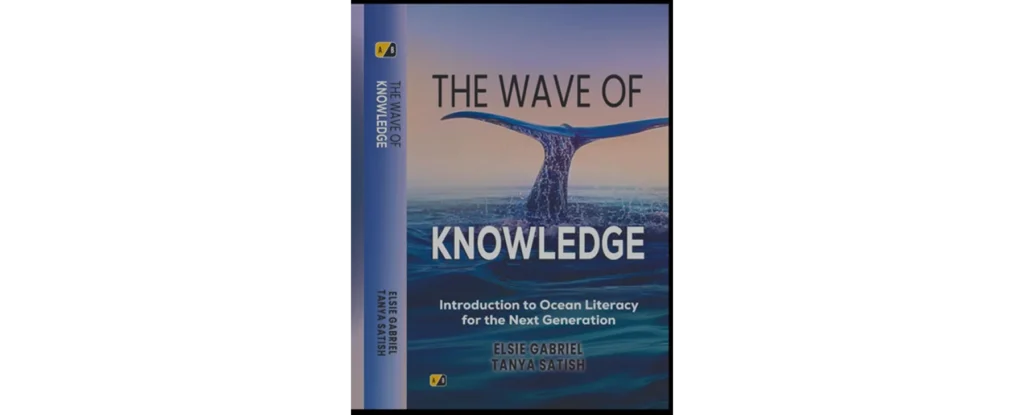
In a world increasingly shaped by climate change, biodiversity loss, and environmental inequity, ocean literacy is no longer a niche academic subject; it is foundational knowledge. Waves of Knowledge: An Introduction to Ocean Literacy is a new educational initiative designed to make this knowledge accessible to students everywhere, particularly those far removed from coastlines.
Co-authored by researcher Elsie Gabriel and Ocean School Director Tanya Satish, the book serves both as an introduction to marine science and as a call to action. With a foreword written by the Governor of Maharashtra, the publication signals growing institutional recognition that ocean education is central to sustainable development and climate resilience.
At its core, Waves of Knowledge seeks to answer a simple yet urgent question: how do we connect young people—especially those in landlocked regions—to a vast ocean they may never have seen?
Why Ocean Literacy Matters
“The ocean is the blue heart of the planet,” says legendary oceanographer Sylvia Earle. “We should treat it as if our lives depend on it because they do.”
Earle’s words frame the urgency behind the book’s message. The ocean regulates the climate, produces more than half of the oxygen we breathe, and sustains billions of livelihoods worldwide. Yet in many classrooms—particularly in inland and underserved regions—marine science receives little attention.
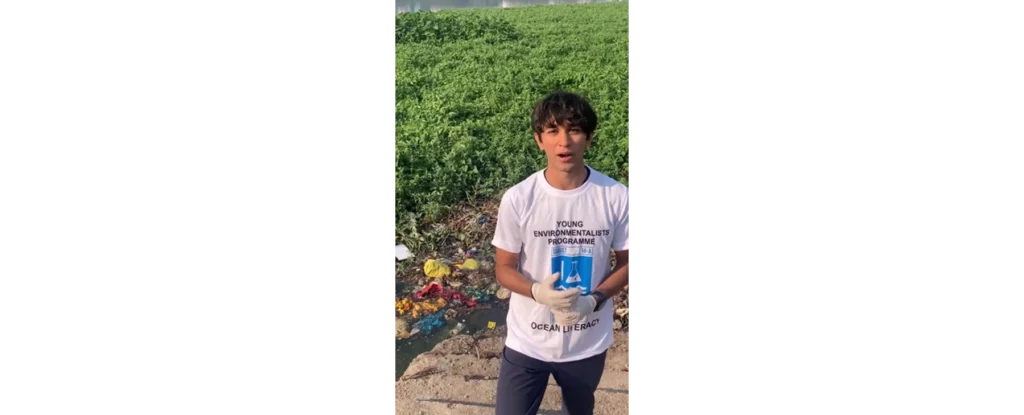
For students growing up far from coastal areas, the ocean can feel distant or irrelevant. However, ocean systems influence monsoon patterns, freshwater availability, food security, and extreme weather events across continents. Understanding these connections empowers students to recognize how global ocean health directly affects their own communities.
About the Authors
Elsie Gabriel is a marine conservationist, researcher, and advocate for Accessible Ocean Tourism. As a doctoral candidate advancing inclusive marine science and sustainable tourism, she works at the intersection of climate education, disability inclusion, and youth engagement. Her initiatives bring experiential ocean learning into academic curricula while promoting equitable access to marine environments.
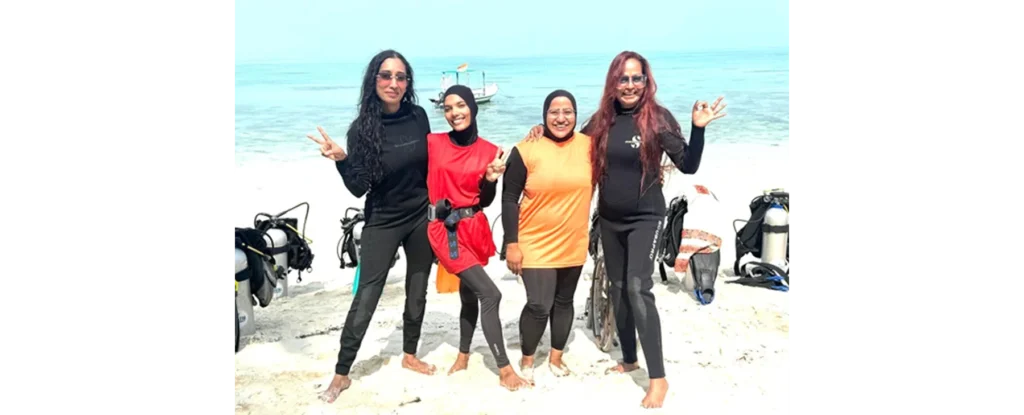
Having contributed to the Venice Declaration on Ocean Literacy and being a member of ECOP, Gabriel is also a strong advocate for increasing the representation of girls and women in ocean sciences. Through mentorship, field research programs, and global collaborations, she encourages young women—particularly from the Global South—to pursue careers in oceanography, marine biology, and environmental leadership. She is also the UNESCO Green Citizens Ocean Literacy Project Leader.
Co-author Tanya Satish is the Director of Ocean School and a researcher dedicated to curriculum development and youth engagement in environmental science. Her work focuses on translating complex oceanographic concepts into accessible, interactive learning experiences. Satish emphasizes the importance of early exposure to marine science as a pathway to informed citizenship and professional opportunity.
Together, Gabriel and Satish combine research expertise, field experience, and educational innovation to create a resource that is both scientifically rigorous and socially inclusive.
Bringing the Ocean to Landlocked Youth
One of the defining features of Waves of Knowledge is its commitment to reaching students in landlocked and inland regions. Through interactive modules, case studies, and citizen science projects, the book effectively “brings the ocean to the classroom.”
Rather than presenting ocean science as distant theory, the book integrates practical activities that enable students to collect local environmental data, analyze climate patterns, and contribute to citizen science initiatives. This interactive approach fosters critical thinking and personal engagement.
For young people who may never have visited a coastline, such engagement can be transformative. It reframes the ocean not as a remote expanse of water, but as a dynamic system shaping everyday life.
Inspiring Future Marine Careers
Beyond awareness, Waves of Knowledge aims to inspire action.
Interactive education introduces students to emerging career pathways in oceanography, marine biology, coastal policy, marine technology, and conservation science. By showcasing diverse professionals and real-world applications, the book demystifies fields often perceived as inaccessible.
When students understand how marine ecosystems influence agriculture, energy systems, and global trade, they begin to see opportunities for meaningful careers. Exposure to citizen science initiatives further reinforces the idea that participation in conservation is not limited to professional scientists alone.
By nurturing curiosity and agency, Gabriel and Satish hope to cultivate the next generation of marine researchers, policymakers, and conservation leaders, including those from communities historically underrepresented in ocean science.
Citizen Scientists and Community Impact
A key pillar of the book is the empowerment of citizen scientists. Students are encouraged to monitor local waterways, track rainfall patterns, conduct waste audits, and connect their findings to broader ocean systems.
This participatory learning model strengthens environmental stewardship while building practical skills in data collection and analysis. It also fosters collaboration among schools, universities, and local communities, creating networks of informed and engaged advocates.
Aligned with global sustainability goals, this grassroots engagement ensures that ocean literacy extends beyond academic theory into tangible community action.
A Blueprint for Inclusive Ocean Education
With institutional endorsement, an interdisciplinary approach, and a strong focus on accessibility, Waves of Knowledge represents more than a textbook—it is a blueprint for inclusive ocean education in the 21st century.
By centering youth in landlocked regions, promoting gender equity in marine careers, and embracing interactive learning, Gabriel and Satish demonstrate that ocean literacy belongs in every classroom, not only those near the sea. Students with cognitive disabilities can also participate in the ocean literacy program through interactive methodologies designed to enhance understanding.
As Sylvia Earle reminds us, the ocean sustains life on Earth. Equipping young people with the knowledge to understand and protect it may be one of the most important educational investments of our time.